Euro & Europe
The euro is the common currency of 21 EU countries. More than 358 million people in the euro area – including us here in Austria – use the euro to make their payments. As a powerful symbol of European cohesion, the euro stands for unity, stability and trust. Together with our partners in the Eurosystem, we at the OeNB are working to safeguard the value of the euro.
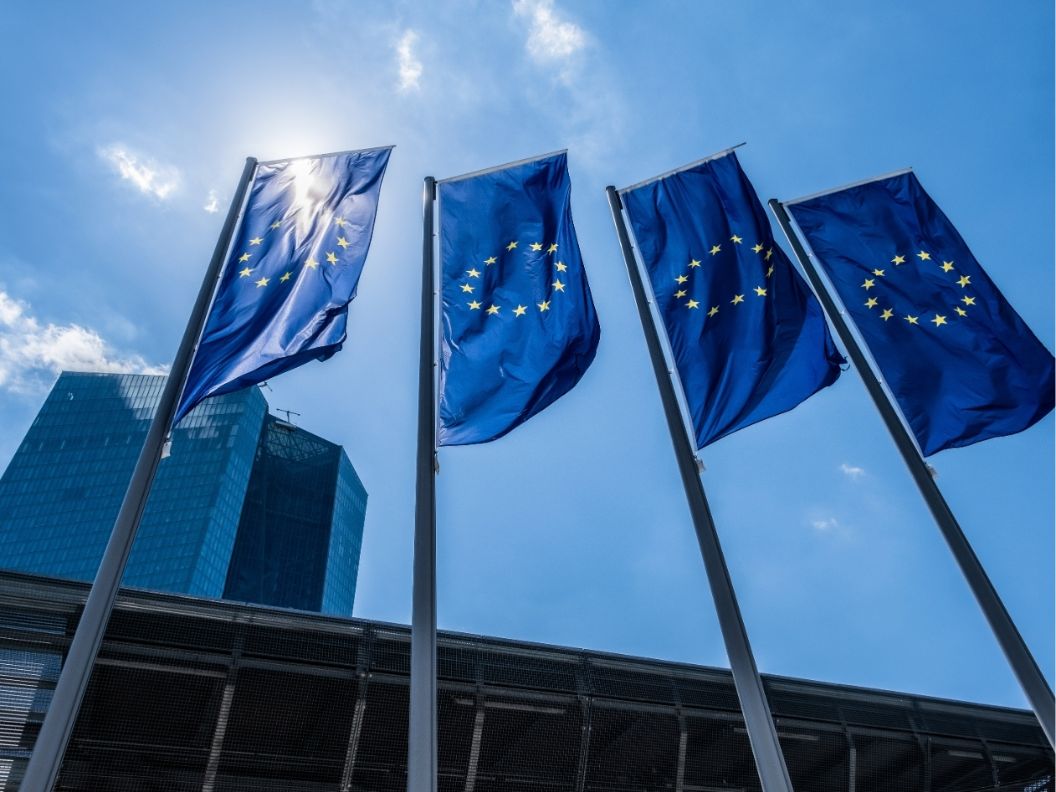
The euro unites Europe
The euro is at the heart of European integration. It has many benefits for people and businesses. The single currency is accepted everywhere in the euro area. This makes travelling and trading easier. It also makes it easier to compare prices across different countries. For businesses, the euro brings the benefit that they can rely on a stable currency in their activities.
The euro has made European financial markets more efficient and it has made it easier to make investments in other countries. As the world’s second most important currency, the euro is in high demand in international trade and as a reserve currency. This strengthens Europe’s position in the global economy.
In this section
-
Key facts
The euro unites Europe and brings people together. What are the benefits of the single currency? Which countries are part of the euro area? What role does the OeNB play? And how will we pay in future?
-
Payments in Europe (SEPA)
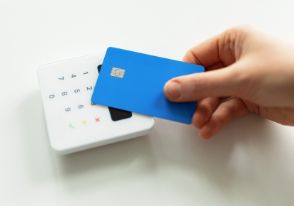
Making cashless payments simple, safe and cost-effective, both at home and abroad – this is the idea behind the Single Euro‑Payments Area (SEPA). Which countries participate in SEPA? What are the benefits? How can you make payments in SEPA?
-
Safe banks in Europe
The banking union strengthens stability and confidence in the banking and financial system. How does it work? What are the SSM and the SRM? And what is the European deposit insurance scheme?



.jpg)