OeNB history
Here we provide a concise overview of the development of the Austria’s central bank since 1816 and show how the OeNB has helped foster economic stability and public confidence from the outset. The section offers valuable historical insight for anyone interested in understanding the evolution of monetary policy in Austria.
Background
The ruling Habsburg dynasty struggled with the issue of paper money for nearly 50 years before founding a central bank in Austria: Banknotes – known as “Bancozettel” at the time – were first issued in 1762 by an institution that enjoyed the confidence of the business community precisely because it was not government-controlled: the Municipal Bank of Vienna (Wiener Stadtbank), originally founded in 1705.
During the Napoleonic wars, the government stepped in, however, and took direct control of banknote issuance, causing the supply of banknotes in circulation to increase sharply a number of times. Thus, the total value of “Bancozettel” in circulation swelled from 44 million florin (“Gulden”) in 1796 to 942 million florin by 1810. In business transactions, banknotes increasingly replaced silver and copper coins, confirming Gresham’s Law, according to which “bad money” drives out “good money.” When the government decreed that paper money had to be accepted as legal tender in private commercial transactions, the market responded by trading banknotes at rapidly rising discounts to their face value. To give an example: While “Bancozettel” with a face value of 100 florin were redeemed for only 92 florins in silver coins in 1799, inflation had reduced the value of “Bancozettel” to a mere 15% of the face value by December 1810. Soldiers on the battlefield even rebelled against the obligation to accept “Bancozettel” as legal tender. When the Habsburgs eventually devalued the banknotes at a ratio of 5 to 1, the business community considered this move to be tantamount to sovereign default. Despite strong assurances of the government to refrain from excessive issuance of banknotes from then on, the currency, now labelled “Viennese currency,” continued to depreciate rapidly.
Independence guaranteed
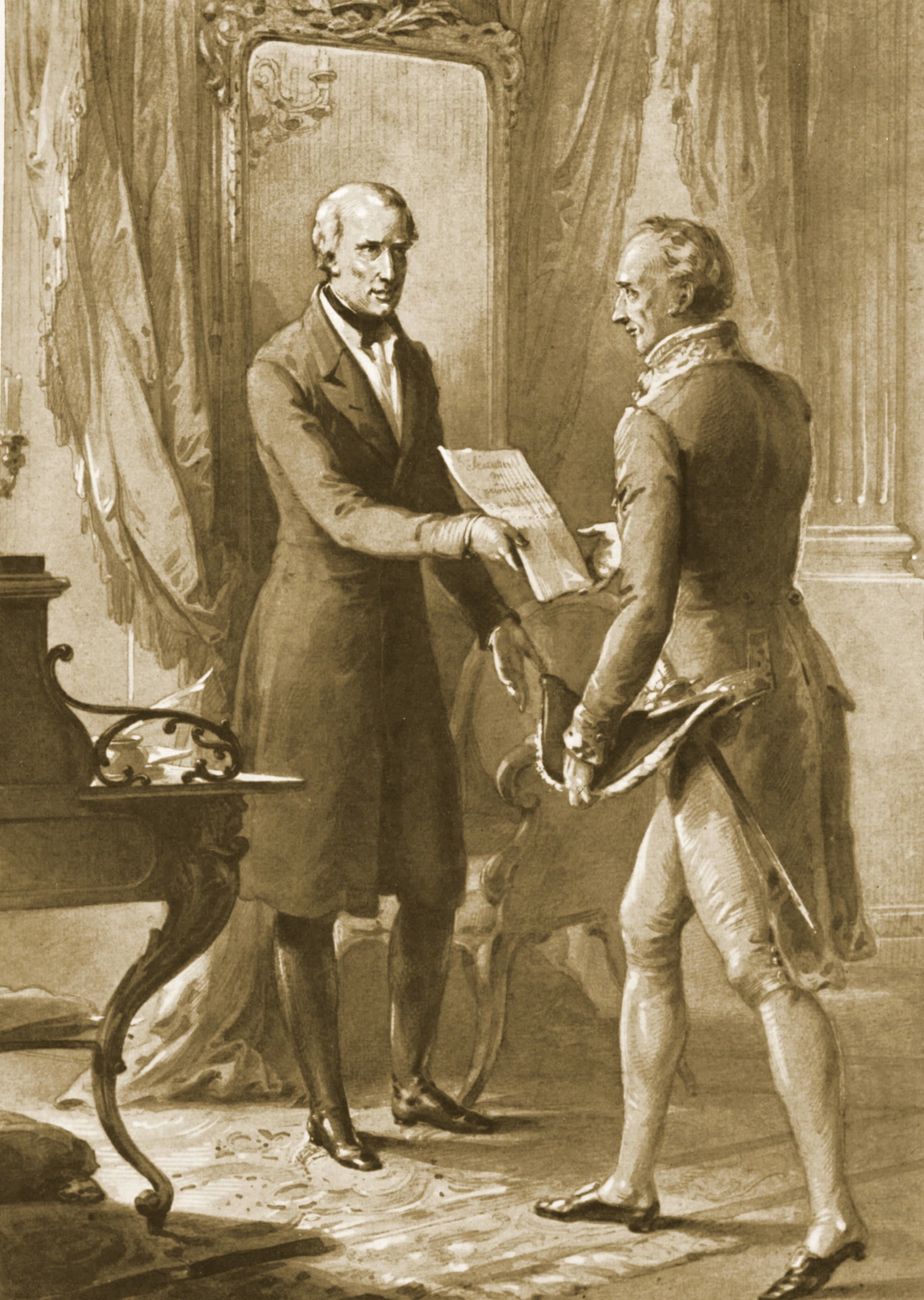
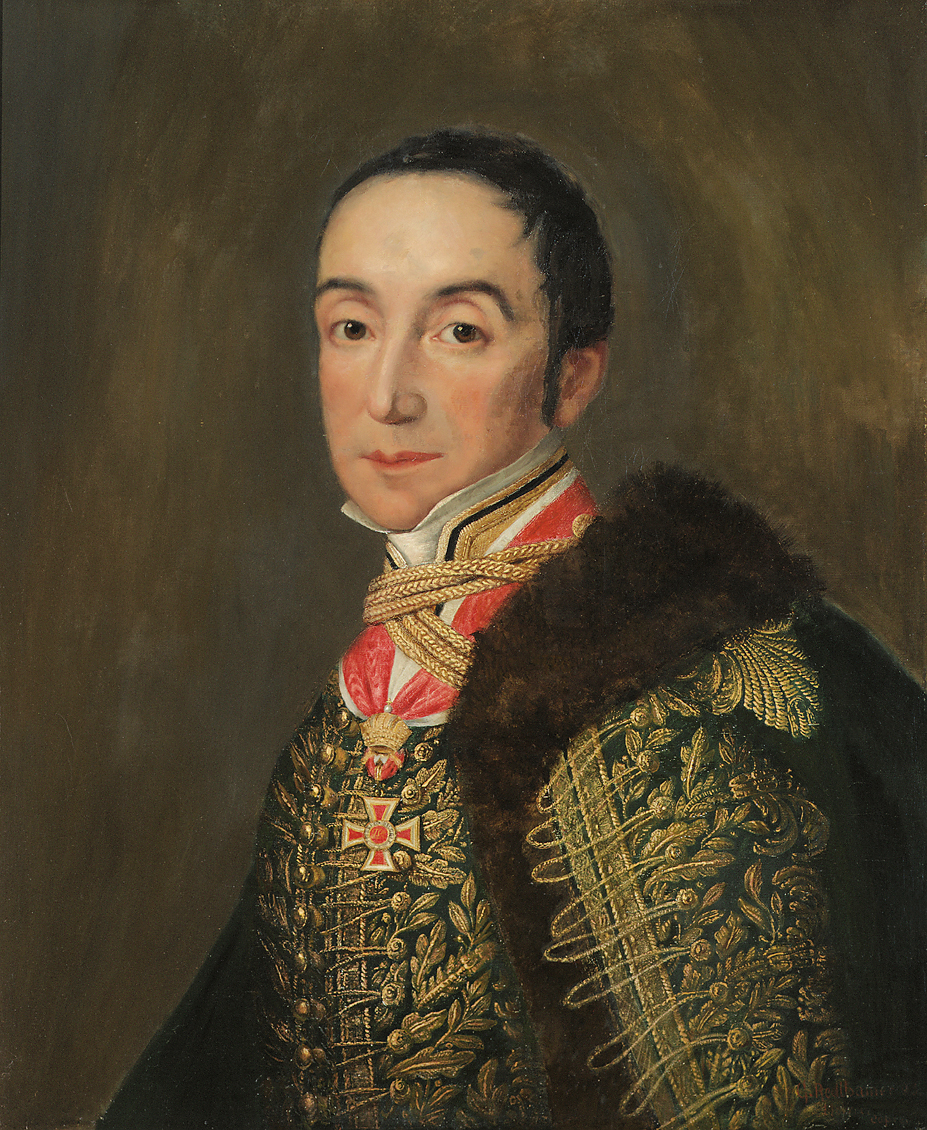
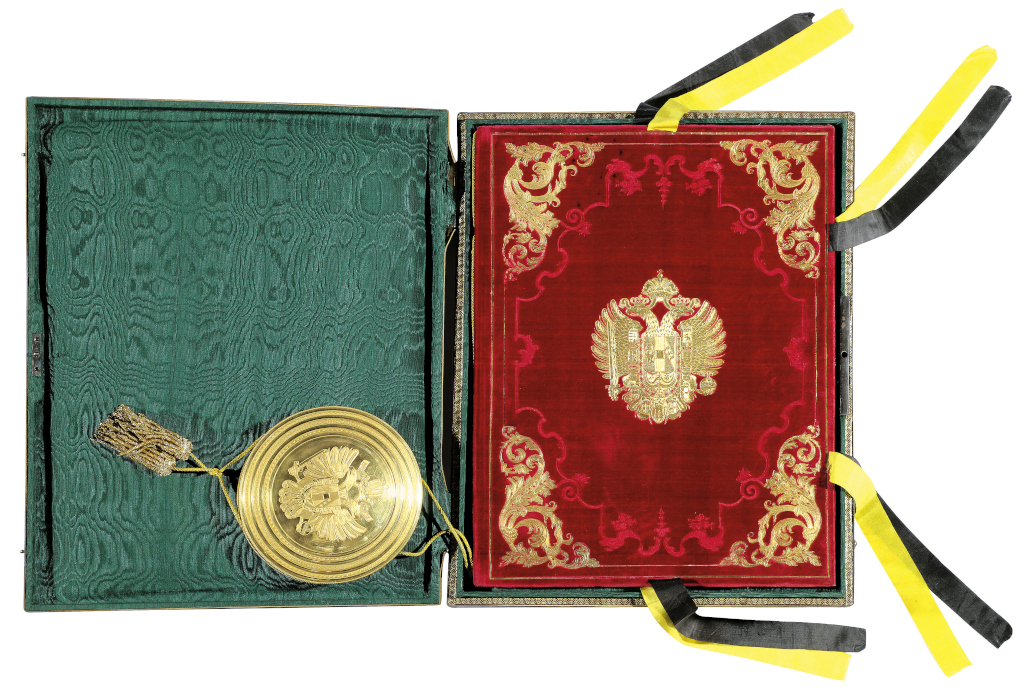
When the political balance in Europe was restored at the end of the Napoleonic wars, the Austro-Hungarian Empire faced enormous challenges. With their territory spanning many divergent ethnic groups, the Habsburgs could no longer rely only on their traditional pillars of societal support – the Church, the nobility, the army and the civil service – to hold together their Empire. The Empire also needed a sound economic basis for integration to work. Therefore, the government had to regain the confidence of the business community. The basic economic law of supply and demand was not to be overridden – it was binding even for the Emperor. Against this backdrop, the Emperor issued two exclusive rights called “patents” on 1 June 1816, namely the “financial patent” and the “bank patent,” thus creating a central bank: The “privilegirte oesterreichische National-Bank,” started operation on the same day. The preparatory work had been masterminded by Count Johann Philipp von Stadion, the Austrian finance minister at the time.
It took the creation of a central bank, which would in due course have the exclusive right to issue banknotes, for the Austrian monetary system to stabilise and public confidence in the monetary system to return. The banknotes appreciated in value once again, thanks to circumspect monetary policymaking. In other words, putting the job of supplying the economy with cash into the hands of an institution that was committed to maintaining price stability had been the right move. Yet to be able to maintain price stability, the central bank had to be independent of government as well – it had to able to prevent the finance minister from firing up the printing press. Independence was strengthened by capitalising the bank through the sale of shares to investors.
Under the imperial patents of 1816, the OeNB commenced operations on 1 July 1816, albeit initially on a limited scale. The responsibilities of the provisional management were restricted to redeeming paper money, issuing shares and carrying out related transactions. For the bank to become operational with full-fledged management, public subscription of a 1,000 shares was required.
“Erstes Privilegium”
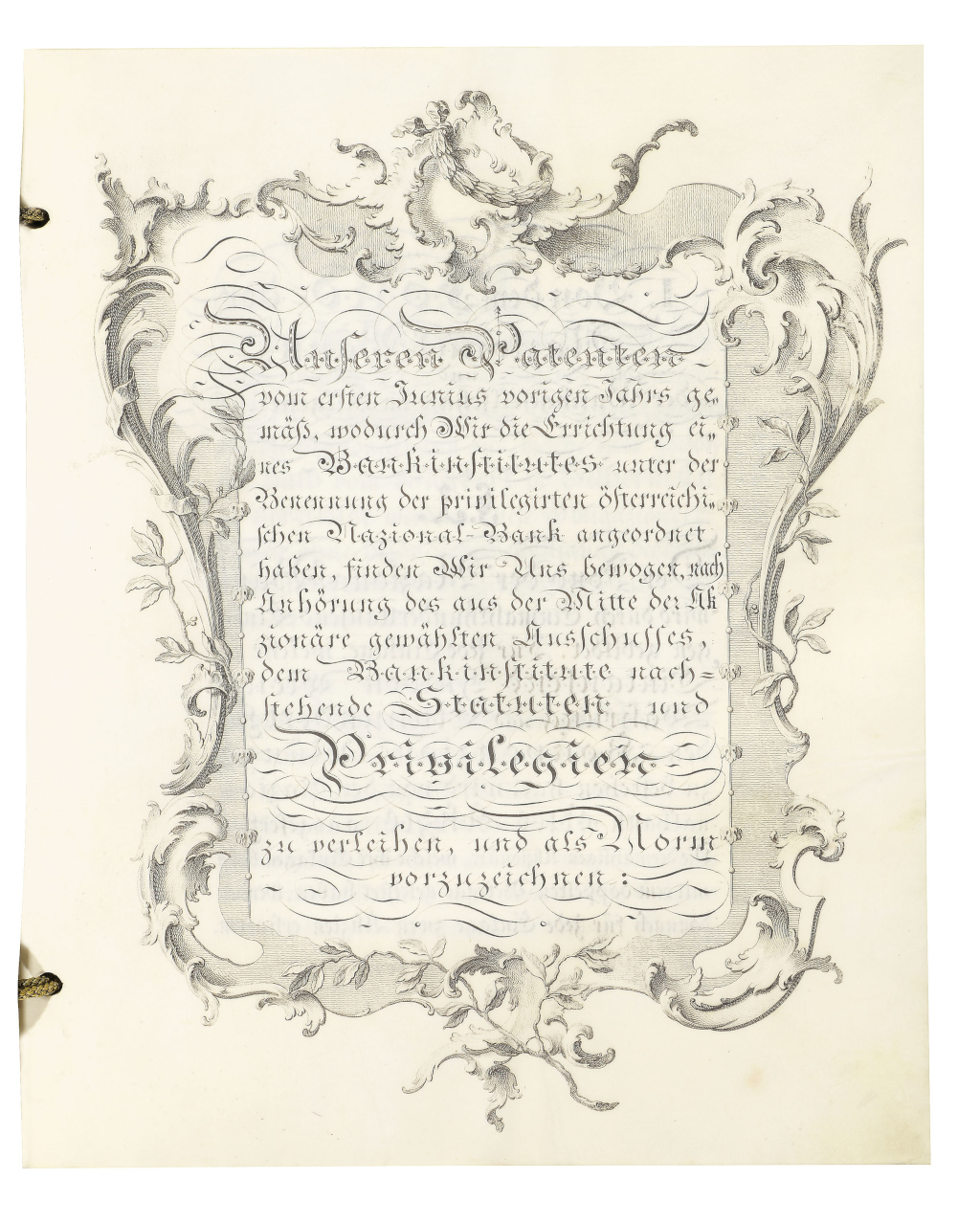
The imperial patent issued on 15 July 1817, gave the privilegirte oesterreichische National-Bank the exclusive right to issue an unlimited amount of banknotes and to determine the rate for discount transactions.
On 19 January 1818, the permanent bank management was set up.
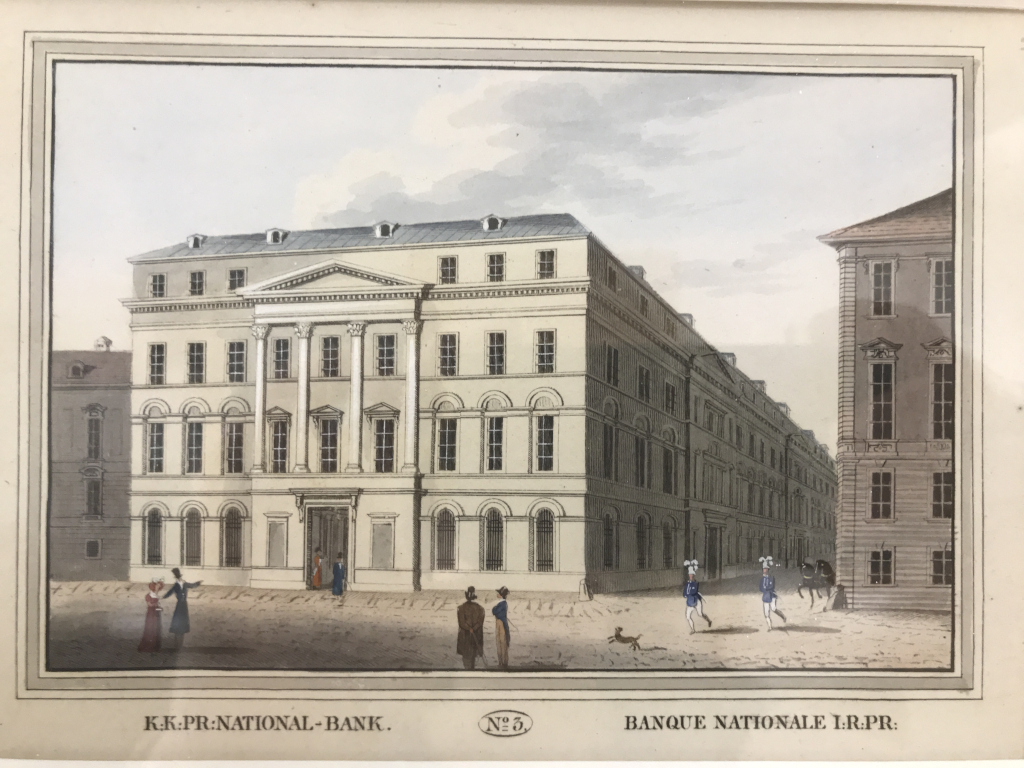
In the next few years, the central bank systematically established a network of branches to guarantee a smooth money and credit supply.
With the head office in Vienna serving as the hub, this network spread to the early industrial regions and trading centres in Central and Eastern Europe as well as the northern Mediterranean region.
Difficult foundations
As a matter of principle, the bank was intent on keeping the share of government securities on the asset side of its balance sheet as low as possible. The assets of choice were trade bills and coins. The bills of exchange discounted by the central bank fuelled the economic upturn of the monarchy. The banknotes issued were backed by the central bank’s silver reserves, meaning that they were exchangeable for silver coins on demand. In 1818, the bank had assets of 11.5 million florins, whereas the direct (or indirect) government debt with the bank came to 2.2 million florins. Despite the bank’s management long and valiant effort, it eventually failed to prevent its stock of public securities from rising.
State Chancellor Clemens Wenzel Prince von Metternich used to remind the central bank management of its “patriotic responsibilities” in more or less polite words, so the bank was ultimately compelled to buy public securities in times of crisis.
In effect, these “patriotic responsibilities” amounted to advances to the treasury on several occasions: 20 million florins in 1820, 30 million florins in 1821, and 12 million florins in 1831. The circulating banknotes were backed by silver and coin reserves of the bank, with the cover ratio thinning out from 74.6% (1818) to 10.3% (1831).
The bank’s management, however, regarded its responsibility towards the public as paramount, since such an expansion of banknote issuance threatened price stability.
The Second Era from 1841
The clauses of the founding statutes of the privilegirte oesterreichische National-Bank had not been able to guarantee continued autonomy from the government. Central bank independence was a moving target, and maintaining it was a daily challenge for the governors and bank directors. They were forever forced to strike a balance between the amount of banknotes the bank could issue and the amount of public debt it held. The government finally succeeded in reducing the central bank’s independence by shifting the influence on management away from shareholders to the government when it renewed the bank’s monopoly rights in 1841.
During the revolution of 1848, the old order was confronted by a coalition of bourgeois liberals and socialists. Leading bank officials supported the constitutional aims of the 1848 revolutionaries.
Maintaining Price Stability
The policymakers at the central bank actively monitored the premium to be paid when exchanging banknotes for silver money. Any increase in the premium was equivalent to a depreciation of the notes issued by the privilegirte oesterreichische National-Bank. Such a rise had to be prevented, since an increase in the premium was seen as a harbinger of growing inflationary pressure.
When it tried to stabilise the silver premium, the central bank rapidly reached a limit, as the premium was dependent not only on the central bank’s issuing activity but also reflected the silver price (expressed in terms of gold) and the expected consequences of increased fiscal deficits on money markets. Especially the crises in the years 1848 and 1849 (revolution), 1850 (Prussian-Austrian conflict) and 1853 to 1856 (general mobilisation on the occasion of Crimean War) caused the silver premium to rise.
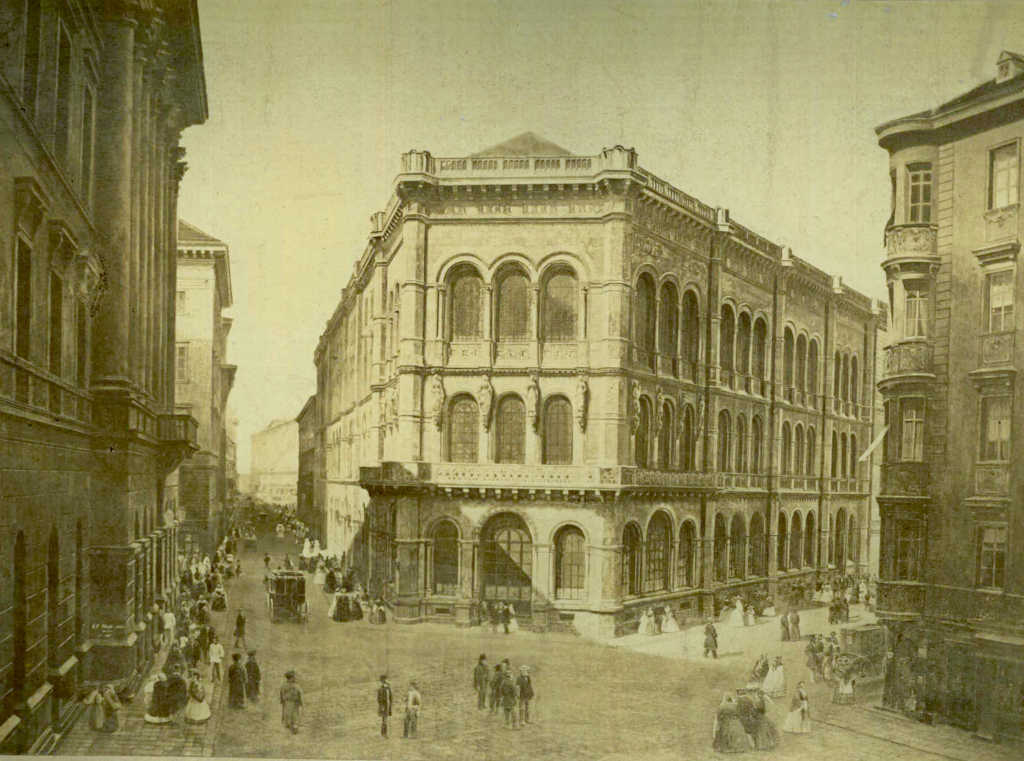
Together with Wiener Börse (the stock market), the central bank moved into a building designed by architect Heinrich Ferstel in 1860. Café Central – the epitome of the Viennese café for decades – was established on the ground floor of this building.
Common ground
During the negotiations on the compensation between Austria and Hungary in 1867, the central bank issue was set aside to prevent further complications and to maintain the present conditions until an agreement on a future legal regulation had been reached. Until such a regulation was passed, the central bank was free to exercise its exclusive right of issue in Hungary without restrictions.
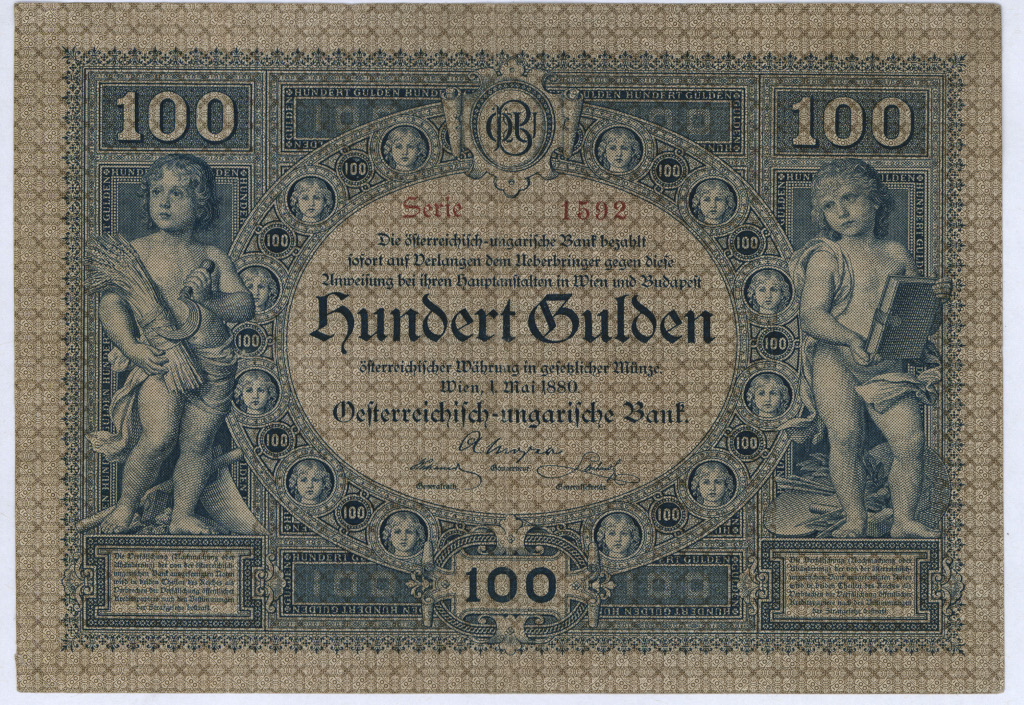
After years of prolonged negotiations, in 1878 the central bank was successfully transformed into an institute in which Austria and Hungary had equal shares. The “Austro-Hungarian Bank” became the central bank of both parts of the Empire. The management of the central bank was mainly intent on keeping the governments from encroaching further on its governance, while the governments of Austria and Hungary mainly disagreed on questions of liability for their national debts (at the rate of 80 million florins). The central bank monopoly rights (“Erstes Privilegium”) eventually granted to the Austro-Hungarian Bank represented a compromise between these conflicting interests.
The early 20th century
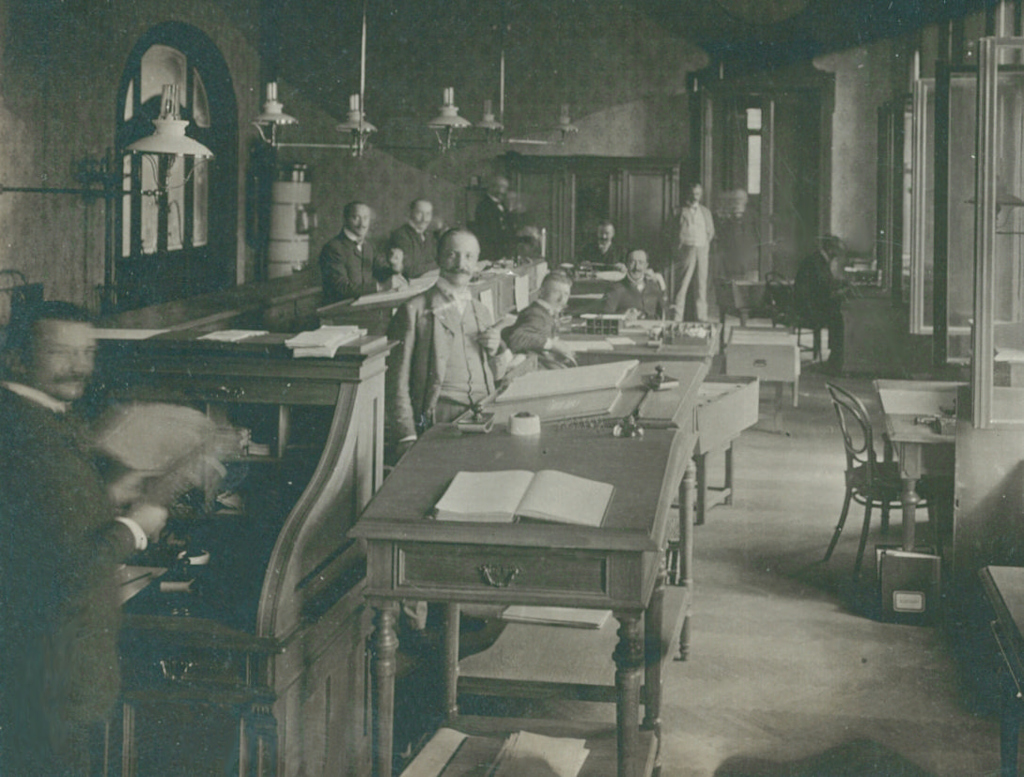
When the Austro-Hungarian Bank monopoly rights were renewed on 21 September 1899 (“Drittes Privilegium”), the autonomy of the Austro-Hungarian Bank was limited somewhat. For example, the state was given the right to access the central bank’s funds under a number of conditions.
At the same time, important changes were made in the central bank’s operational framework, which in effect became the basis for the successful foreign exchange policy of the Austro-Hungarian Bank. This success was evidenced by the fact that the Austro-Hungarian currency stayed on the gold parity until 1914 with very little fluctuation of its external value.
The political developments of the time were crowned with far less success. The conflicts of different nationalities increasingly paralysed the work of the Parliament. Parliamentary elections in 1911 hardly changed the gridlock. In March 1914, the Parliament was prorogued. Now, the Stürgkh government ruled without being controlled by Parliament. The expansion course which led to the annexation of Bosnia in 1908 was continued, ultimately resulting in the incidents of August 1914.
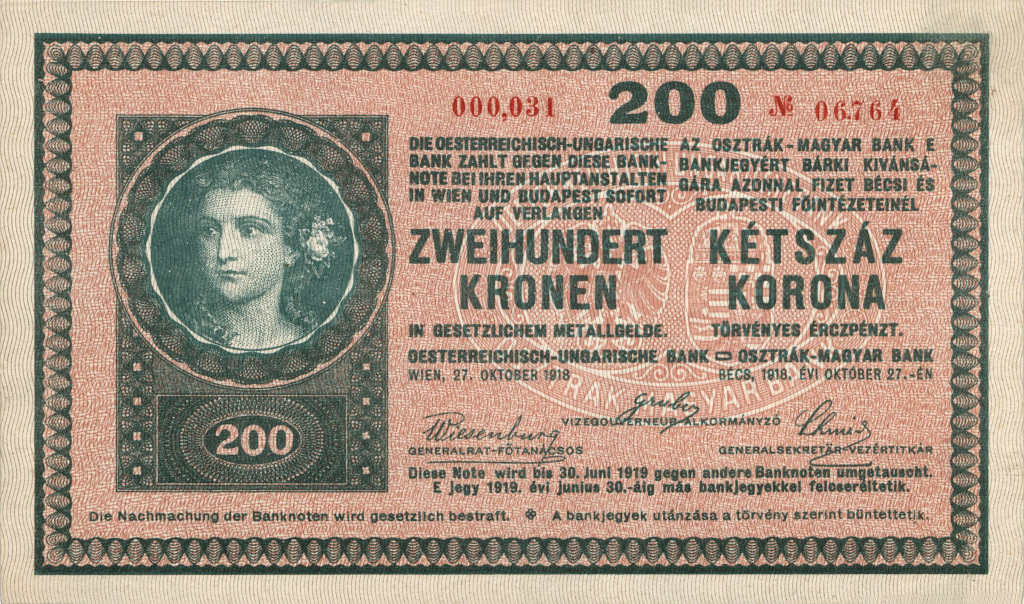
World War I heats up Inflation
The expansionist foreign policy of the Austrian government confronted the management of the central bank with the potential consequences of the forthcoming military conflict. Bank officials were well aware of the fact that the government would primarily resort to the central bank to finance the fast increasing cost of warfare. The management of the central bank had already been compelled to contribute to crisis planning during the crisis in the Balkans in 1912.
Despite its profound scepticism about the optimism of the generals “that considering the state-of-the-art war technology, a war in Europe would surely be over within three months,” the management of the bank was not able to defend the stability of the monetary system.
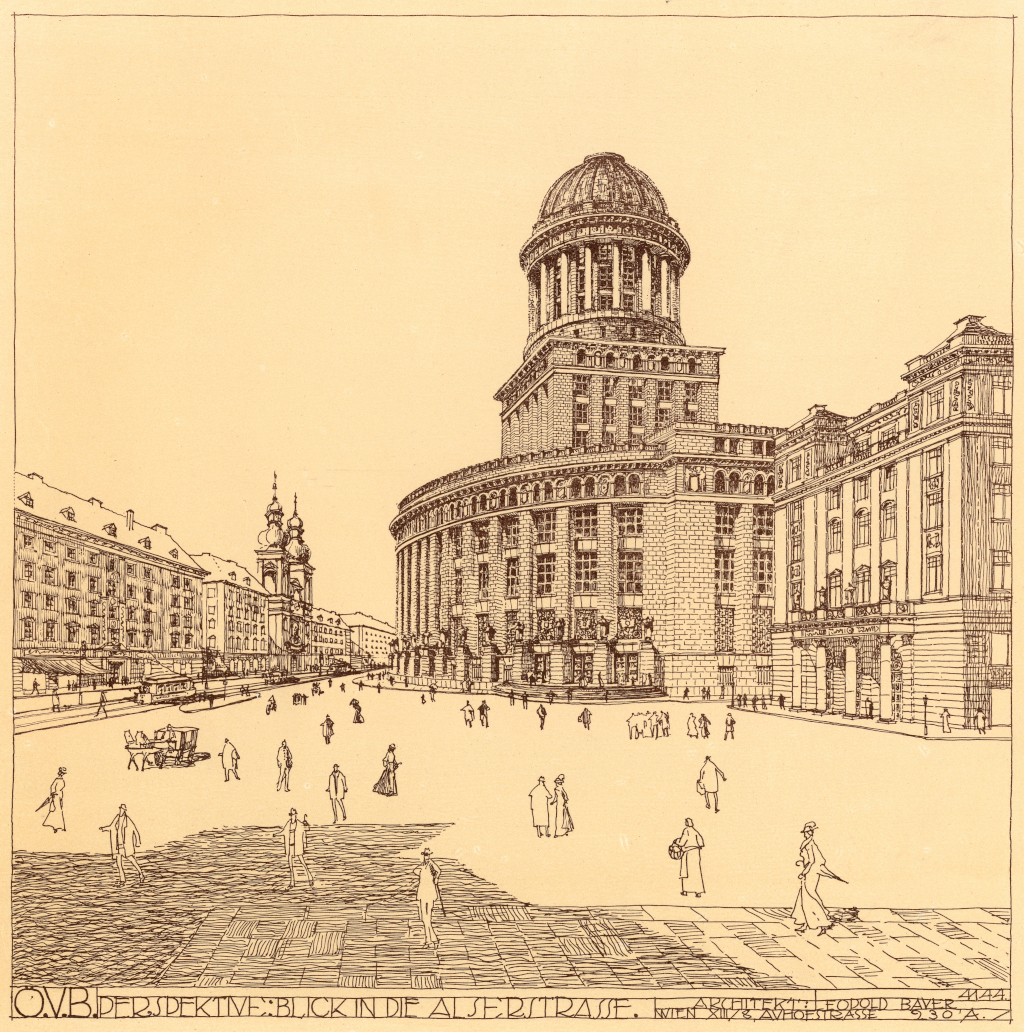
The breakdown of the old order
What artists and scientists of the fin de siècle had already sensed became apparent to everyone by the end of war: the old order had broken down, and coping with the new situation was not easy.
In its search for stable reference points, the central bank encountered considerable problems, mainly because the Imperial and Royal Monarchy fell apart into several successor states from the end of 1918. In spite of the bank management’s efforts to maintain relations with the administrations of each of the recently founded successor states, it could not prevent the currency separation.
As a reaction to the political split, a separate “Austrian management body” was set up. Lacking a reliable guarantee to be able to conduct business independently, the bank’s management was compelled to provide the state with the financial resources needed to cover the immense budget deficit. In the end, the central bank financed about 75% of the federal budget deficit between 1918 and 1922.
After a period in which the crown was massively overvalued, the rates of exchange began to react to the imbalance of the Austrian economy. In the first six months of 1919, the US dollar rose against the crown, jumping from around 16 crowns to nearly 30 crowns. By the end of 1921, the crown had already depreciated to 5,275 crowns to the US dollar. The decrease of the external value went hand in hand with runaway national inflation. The more the value of the crown slipped, the more money was printed. Only the signing of the Geneva Protocol on 4 October 1922, which provided a complete stabilisation programme supported by a loan guaranteed by the League of Nations, was able to stop the upwards trend of prices. But under the terms of the Geneva Protocol, Austria obligated itself to dismiss 100,000 government officials.
The end of the Austro-Hungarian Bank itself had long been foreshadowed. The Treaty of St. Germain-en-Laye 1919 provided for the complete liquidation of the Austro-Hungarian Bank as well as other painful provisions for the young Austrian republic. The reparations commission in Paris nominated commissioners, who were charged with executing the entire liquidation while safeguarding the interests of all successor states.
The last ordinary general meeting of the Austro-Hungarian Bank took place on 14 July 1921, and the last meeting of the part of the General Council that was responsible for Austria was held on 15 December 1922; it was chaired by Governor Alexander Spitzmüller.
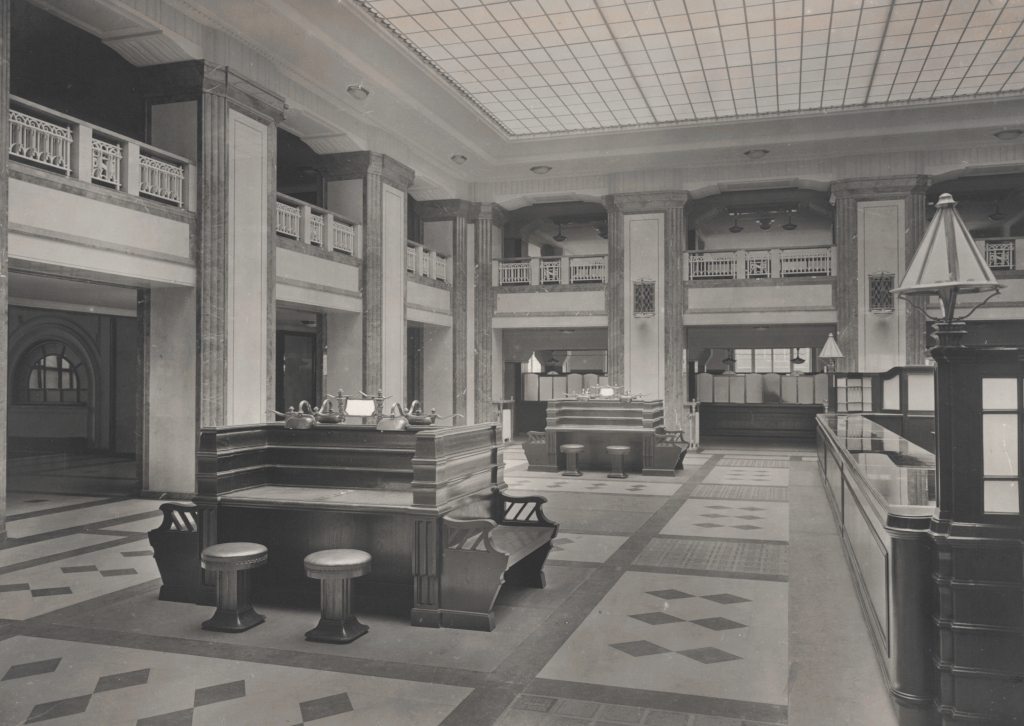
A new beginning
Since the start of the liquidation of the Austro-Hungarian bank, it was clear that Austria, like the remaining successor states, had to have a bank of issue of its own. But first of all, it was necessary to establish order in the national budget. The Geneva Protocol of October 1922 provided a basic framework for an orderly budget.
The statutes of the new Austrian central bank were passed as a federal law on 14 November 1922. The statutes provided for the business name “Oesterreichische Nationalbank” (OeNB), thus reinstating the venerable name of the institution that had been accorded the sole right to issue banknotes in line with a modern concept of monetary policy as early as 1816. The fundamentals of the statutes were in line with the guidelines set up by the League of Nations for full central bank independence from credit demands of the state, autonomous governance and an adequate provision of capital to underpin this independence.
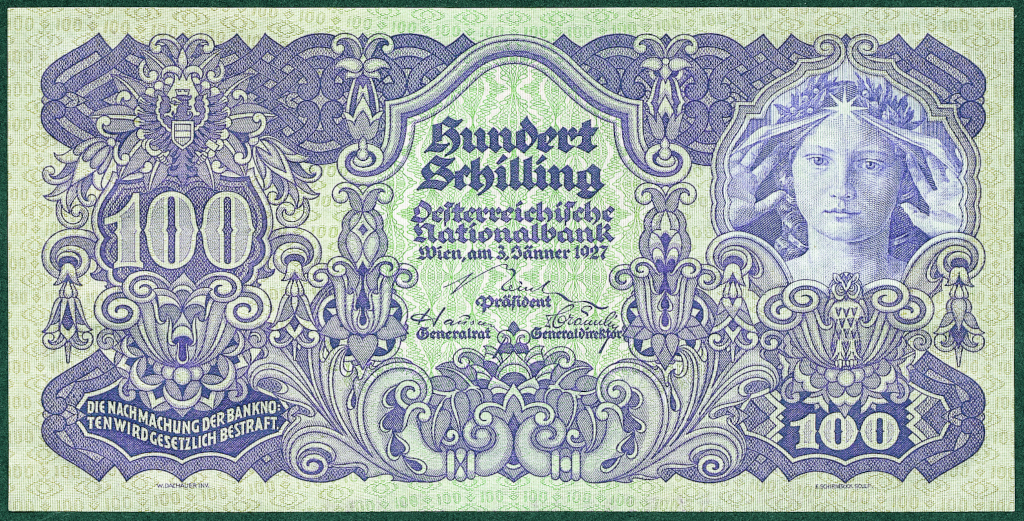
Crisis management
The mastermind behind the consolidation of public finances in the First Republic was Viktor Kienböck, who was Minister of Finance from 1922 to 1924 and from 1926 to 1929, President of the Oesterreichische Nationalbank from 1932 to 1938 and OeNB Vice President from 1952 to 1956. Under his management, the Austrian schilling weathered the Great Depression unscathed and remained a stable currency up to 1938.
This stable framework allowed the OeNB to concentrate on crisis management during the series of bank failures Austria faced. The crisis of the bank Credit-Anstalt in 1931 marked the climax and finale of this series.
The tragic events of the civil war waged in Austria in 1934 had little effect on the business practices of the OeNB. In fact, confidence in the so-called “Alpendollar” (Alpine dollar) was so great, even internationally, that the government and the central bank were able to repay the 1923 League of Nations bond in 1934. But the favourable monetary situation was marred by the great number of unemployed persons in Austria, a circumstance that had severe consequences for domestic policy.
The “Anschluss”
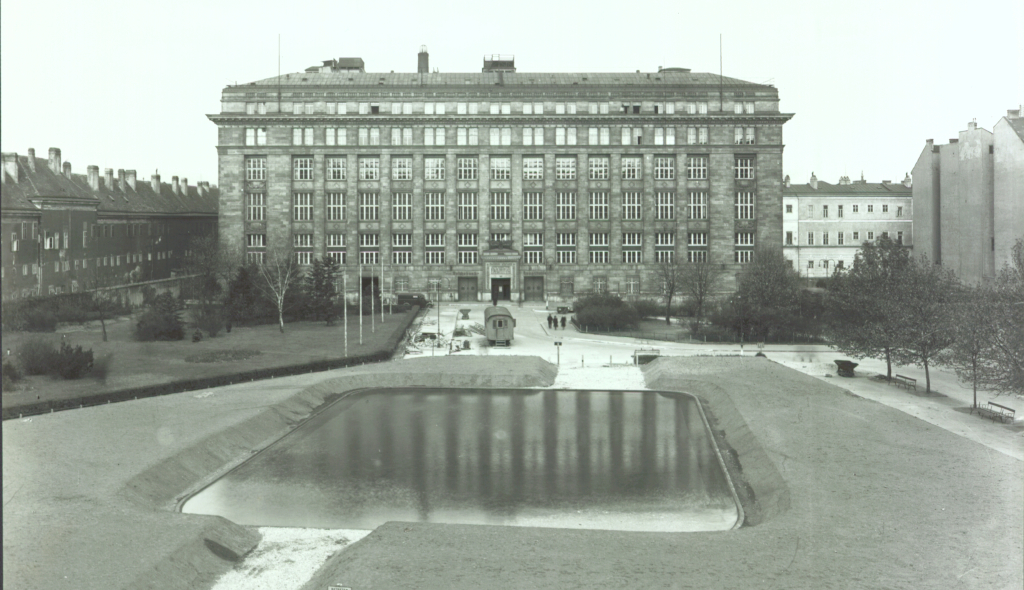
After the end of World War I, efforts to return to peaceful coexistence in Austria were doomed. Political camps formed in all areas, all of which sought to advance their own interests, if necessary by fraudulent means, coercion or even with armed force. As the corporatist Ständestaat was ruled by an authoritarian government and as it had banned the Social Democratic Party, it was isolated in domestic and foreign affairs. Thus weakened, the Austrian government could not muster the power necessary to repudiate the efforts of the National Socialist Third Reich to annex Austria.
The National Socialists seized power in March 1938, leading to a spate of arrests, abductions and suicides of Austrian politicians, artists and intellectuals, above all, Jewish Austrians. Sigmund Freud, for example, emigrated against the background of the looming threat.
Irretrievable losses
The war triggered by Germany’s invasion of Poland in 1939 burgeoned into World War II in the next few years and rapidly put an enormous strain on all of society.
Many central bank employees were drafted onto the German army. Those who returned in 1945 were confronted with the legacy of the war: Hundreds of thousands of people had been killed during World War II. Production plants and residential areas had been laid waste. The Austrian economy had been severely handicapped. After the war, Austria’s productive capacity had fallen to just over 40% of the 1937 level.
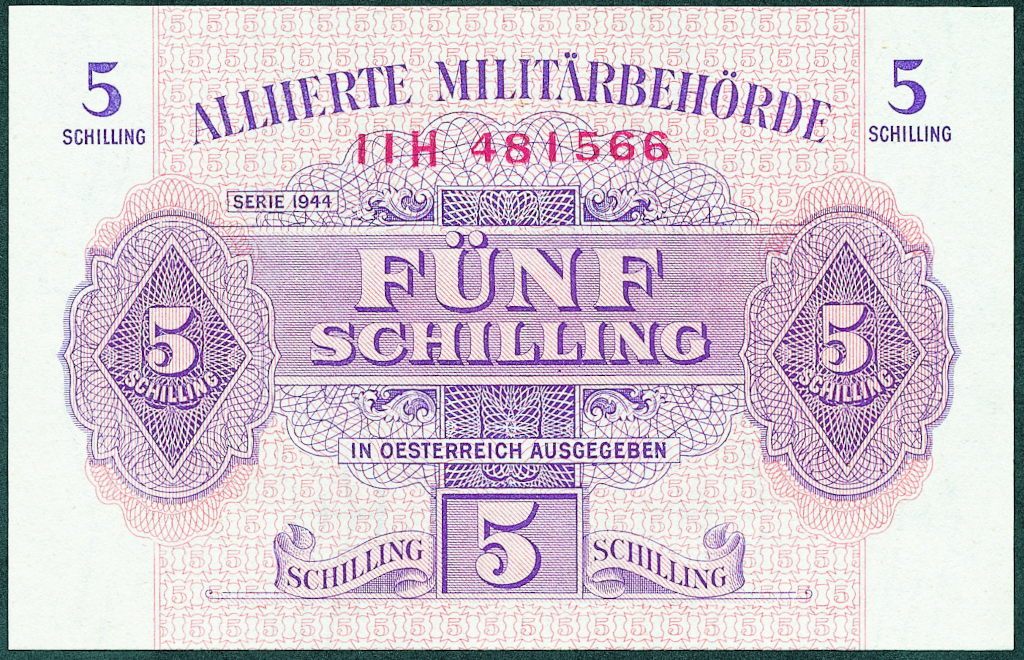
The National Socialists had pumped up money supply enormously to finance the war. According to contemporary estimates, the amount of money in circulation required to preserve price stability should not have exceeded half a billion Reichsmark at the end of 1946. In actual fact, at the end of World War II, some 11 billion Reichsmark were estimated to be in circulation. In addition, the Allies issued paper money: All in all, some 10 billion Allied military schillings were printed.
Reichsbank offices from 1938 to 1945 in focus: the Vienna Reichsbank head office
The OeNB commissioned a team of historians led by Oliver Rathkolb and Theodor Venus to research the history of the OeNB in the years leading up to Austria’s Anschluss in 1938 and under the National Socialist regime. The team’s findings have been published in German with an English summary.
Reichsbank offices from 1938 to 1945 in focus: the Vienna Reichsbank head office
Reconstruction
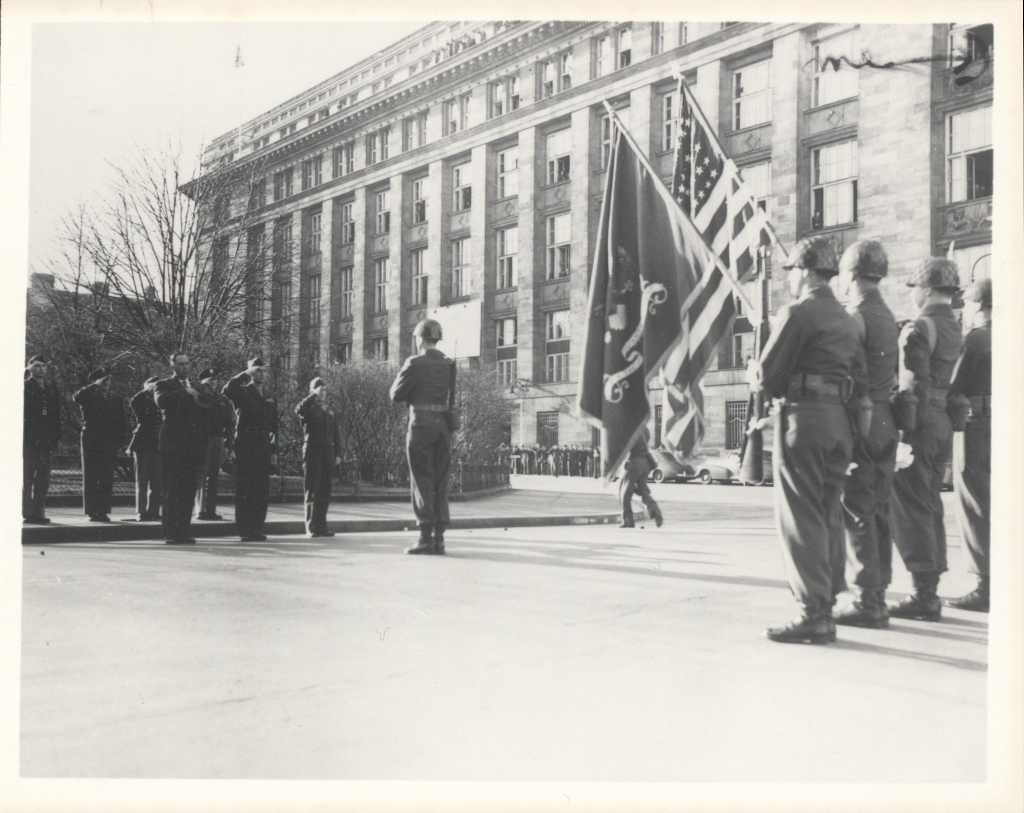
The disastrous World War II years had taught society and politicians the importance of nonpartisan teamwork as the basic principle of an inclusive society in Austria. Reconstruction was a success, being driven by the stamina of all stakeholders and benefiting crucially from the European Recovery Programme, known as the Marshall Plan.
After the re-establishment of the Republic of Austria on 27 April 1945, the Oesterreichische Nationalbank could also resume operation. The Central Bank Transition Act of 3 July 1945 provided the temporary legal basis for the central bank’s activities.
From 21 December 1945, the Austrian schilling replaced the Reichsmark and the Allied military schilling as Austria’s legal tender and sole unit of account.
Stability guaranteed
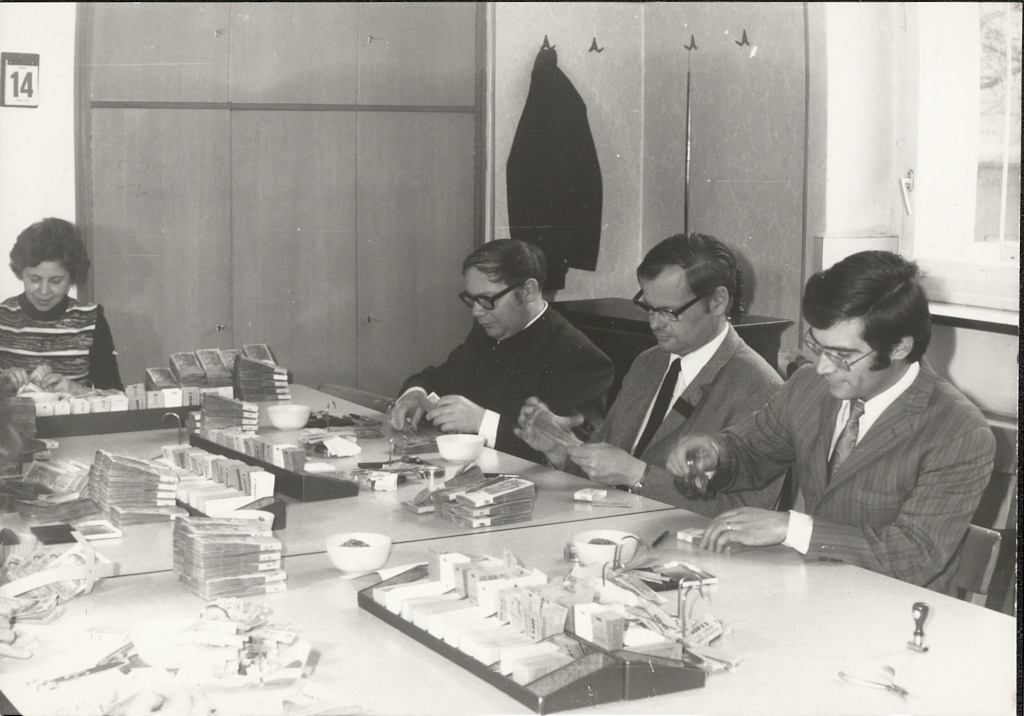
For more than a decade up to the end of the 1960s, the key indicators bore testimony to the high internal and external stability of the Austrian economy, underpinned by a well-balanced fiscal and monetary policy that allowed for high economic growth along with low inflation while avoiding long-term external imbalances. Hence, monetary policymakers were able to focus on refining the institutional framework without being forced to intervene permanently.
Austria contributed to European integration by joining EFTA (the European Free Trading Area) in 1960.
During the second half of the 1960s, it became more and more obvious that the Bretton Woods System (the international currency system based on gold/dollar convertibility) could not be maintained in the long run. The USA was confronted with continuous balance of payments deficits, and the economically and financially most powerful European countries had to deal with recurring current account imbalances. These circumstances made it indispensable to reform monetary policy radically. For the moment, a more flexible multilateral adjustment of exchange rates seemed to be an attractive option.
Restrictions of capital movements, which were imposed in response to the USA’ balance of payments problems, led to the formation of a Eurodollar market in Europe. The gold convertibility of the US dollar was formally lifted mid-1971, effectively ending the Bretton Woods System.
Coordinated policies
In the 1970s, Austria’s willingness to carry out reforms and its stability consciousness were put to a hard test. A recession abruptly interrupted the periods of rapid economic growth in 1975. Toward the end of the decade, scepticism about the “Austrian model,” previously much admired internationally, was on the rise.
Though Austria took various measures, the inflow of foreign capital had – by the early 1970s – climbed to a level that was incompatible with the domestic stability objective. Following the unpegging of the schilling’s exchange rate from the US dollar, policymakers ultimately adopted the strategy of using a basket of “indicator currencies” as a benchmark for actively determining the schilling’s exchange rate: the European currency “snake” system, so-called because the currencies of the participating countries were only allowed to fluctuate against each other by a set margin, like the movements of a snake.
After the first oil price shock and the persistent economic slump, Austrian economic policymakers tried to steer the economy by using a broad and harmonised set of measures including limits on the amount of bank lending, restraint in wage increases, demand-side and supply-side fiscal stimulation as well as a temporary attempt to conduct an independent low interest-rate policy. Towards the end of the 1970s, it became more and more obvious that the system of manifold regulations and interventions hampered necessary structural change, also in the banking sector. In 1979, the authorities finally had to relinquish the effort to conduct an independent policy of low interest rates.
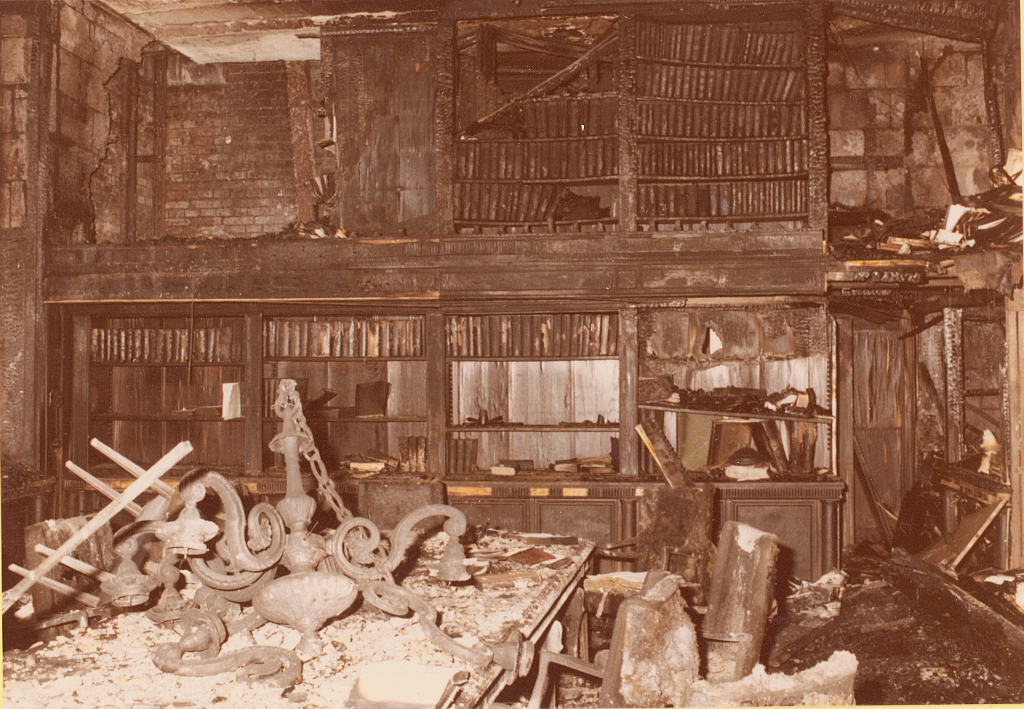
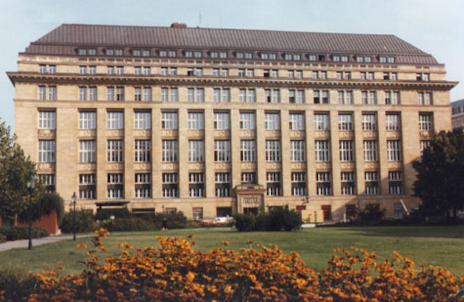
1979 was a tragic year with major consequences for the OeNB’s head office in Vienna. During the night of 29 August, a big fire broke out. The fire and the water used to fight the fire destroyed five stories of the building. The entire management floor with the General Council meeting room and the library was completely destroyed. The architecture of the building was completely revamped during the restoration work from 1980 to 1985 under the planning of Carl Appel. The most obvious sign of renewal is the mansard roof.
Forward-looking integration
Strengthening economic efficiency by promoting competitive performance became the leitmotiv of the socio-political reform ideas of the 1980s. As Eastern Europe opened up at the end of the decade and the map of Europe was redrawn, Austria found itself in a more central geographical position. In this atmosphere, it finally became possible to openly discuss ways to find a viable solution for a united Europe even if different interests were involved.
The experience of the 1970s prompted policymakers to align the schilling exchange rate with the rate of the Deutsche mark to help ensure internal price stability. Such informal integration into a greater monetary area additionally stimulated structural change in the Austrian economy: Austrian enterprises could survive only by delivering sustained productivity increases. Under such circumstances, the monetary policy of the 1980s was directed toward providing for stability while at the same time forcing economic agents to accept compromises.
Austria’s economy rose to this challenge. However, the path was rocky. At first, unemployment surged and remained at persistently high levels. In the second half of the 1980s, real growth accelerated again. The Austrian economy became more competitive and thus also managed to avoid accumulating large current account imbalances.
The 1990s in Austria were all about the country’s integration into the European Community. In 1995, Austria, along with Sweden and Finland, became a member of the European Union (EU). Austria also joined the Exchange Rate Mechanism of the European Monetary System (EMS) in 1995.
For Austria to meet the legal preconditions for participating in Stage Three of Economic and Monetary Union (EMU) as of 1 January 1999, the Nationalbank Act was amended accordingly in April 1998. This amendment expressly states that in fulfilling the tasks and objectives of the European System of Central Banks (ESCB), the Oesterreichische Nationalbank and its decision-making bodies shall act independently of European institutions or bodies and any governments of the member states.
The OeNB as part of the ESCB/Eurosystem – an independent central bank
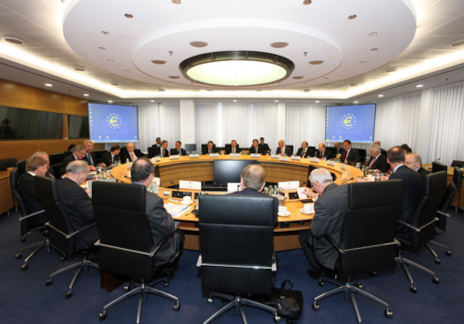
The European System of Central Banks (ESCB) is composed of the European Central Bank (ECB) and the national central banks (NCBs) of all 27 EU member states. Together with the ECB, the NCBs of the 21 member states that have adopted the euro as the single currency form the Eurosystem, which has conducted the common monetary policy of the euro area since the introduction of the euro on 1 January 1999.
The NCBs, while retaining their legal independence under the umbrella of the ESCB, have formed a very close relationship within the ESCB and follow the common rules and principles laid down in the Treaty on the Functioning of the European Union (TFEU) and in the ESCB/ECB Statute. According to Article 127(1) of the TFEU, the primary objective of the ECB and the NCBs is to maintain price stability.

The OeNB relies on its economic analyses to back up the monetary policy positions it takes within the Eurosystem. The OeNB delivers its input on economic issues to the respective Eurosystem/ESCB working groups and publishes macroeconomic forecasts for Austria every six months. Moreover, the OeNB is strongly committed to monitoring the integration process of the Central and Eastern European countries into the EU and EMU, providing technical cooperation, above all with the NCBs of those countries, and offering training support.
As the OeNB is an integral part of the Eurosystem, the operational implementation of monetary policy in Austria is one of its essential tasks. The Eurosystem uses a number of monetary policy instruments to manage liquidity, thus enabling the OeNB to secure the supply of liquidity to Austria's banks and, through them, to businesses.
Another task linked to the implementation of monetary policy is the production and distribution of banknotes and coins. The OeNB is in charge of keeping the quality of banknotes and coins in circulation high and providing for counterfeit protection.
| Name | Amtszeit |
|---|---|
| Count Adam Nemes von Hidveg | 17.06.1816 – 15.11.1817 |
| Count Joseph Carl von Dietrichstein | 15.11.1817 – 17.09.1825 |
| Melchior Ritter von Steiner | |
| acting Governor | 1825 – 1830 |
| Baron Adrian Nikolaus von Barbier | 04.09.1830 – 27.03.1837 |
| Baron Carl Joseph Alois von Lederer | 27.03.1837 – 31.10.1847 |
| Franz Xaver Breyer Ritter von Breynau | |
| acting Governor (interim) | 31.10.1847 – 1848 |
| Baron Carl Joseph Alois von Lederer | 09.02.1848 – 18.05.1848 |
| Josef Mayer Ritter von Gravenegg | 18.05.1848 – 09.01.1849 |
| Joseph Ritter von Pipitz | 06.08.1849 – 08.11.1877 |
| Name | Amtszeit |
|---|---|
| Alois Moser | 28.09.1878 – 06.03.1892 |
| Julius Kautz | 06.03.1892 – 19.02.1900 |
| Leon Ritter von Bilinski | 19.02.1900 – 15.02.1909 |
| Alexander Popovics | 15.04.1909 – 08.02.1918 |
| Baron Ignaz Gruber von Menninger | 06.03.1919 – 18.03.1919 |
| Baron Alexander Freiherr von Spitzmüller-Harmersbach | 19.12.1919 – Dec. 1922 |
| Name | Amtszeit |
|---|---|
| Richard Reisch | 21.12.1922 – 05.02.1932 |
| Viktor Kienböck | 06.02.1932 – March 1938 |
| Name | Amtszeit |
|---|---|
| Hans Rizzi | July 1945 – 09.03.1952 |
| Eugen Margaretha | 10.03.1952 – 19.06.1960 |
| Reinhard Kamitz | 20.06.1960 – 25.01.1966 |
| Andreas Korp | |
| acting President | Sept. 1966 – Jan. 1968 |
| Wolfgang Schmitz | 01.02.1968 – 30.01.1973 |
| Hans Kloss | 01.02.1973 – 30.01.1978 |
| Stephan Koren | 01.02.1978 – 26.01.1988 |
| Herbert Koller | |
| acting President | 27.01.1988 – 31.08.1988 |
| Hellmuth Klauhs | 01.09.1988 – 26.04.1990 |
| Heinz Kienzl | |
| acting President | 27.04.1990 – 31.05.1990 |
| Maria Schaumayer | 01.06.1990 – 31.05.1995 |
| Klaus Liebscher | 01.06.1995 – 31.08.1998 |
| Name | Amtszeit |
|---|---|
| Klaus Liebscher | 01.09.1998 – 31.08.2008 |
| Ewald Nowotny | 01.09.2008 – 31.08.2019 |
| Robert Holzmann | 01.09.2019 – 31.08.2025 |
| Martin Kocher | since 01.09.2025 |
| Name | Amtszeit |
|---|---|
| Adolf Wala | 01.09.1998 – 31.08.2003 |
| Herbert Schimetschek | 01.09.2003 – 31.08.2008 |
| Claus Raidl | 01.09.2008 – 31.08.2018 |
| Harald Mahrer | 01.09.2018 – 30.11.2025 |
| Johannes Hahn | since 01.01.2026 |