What is globalisation?
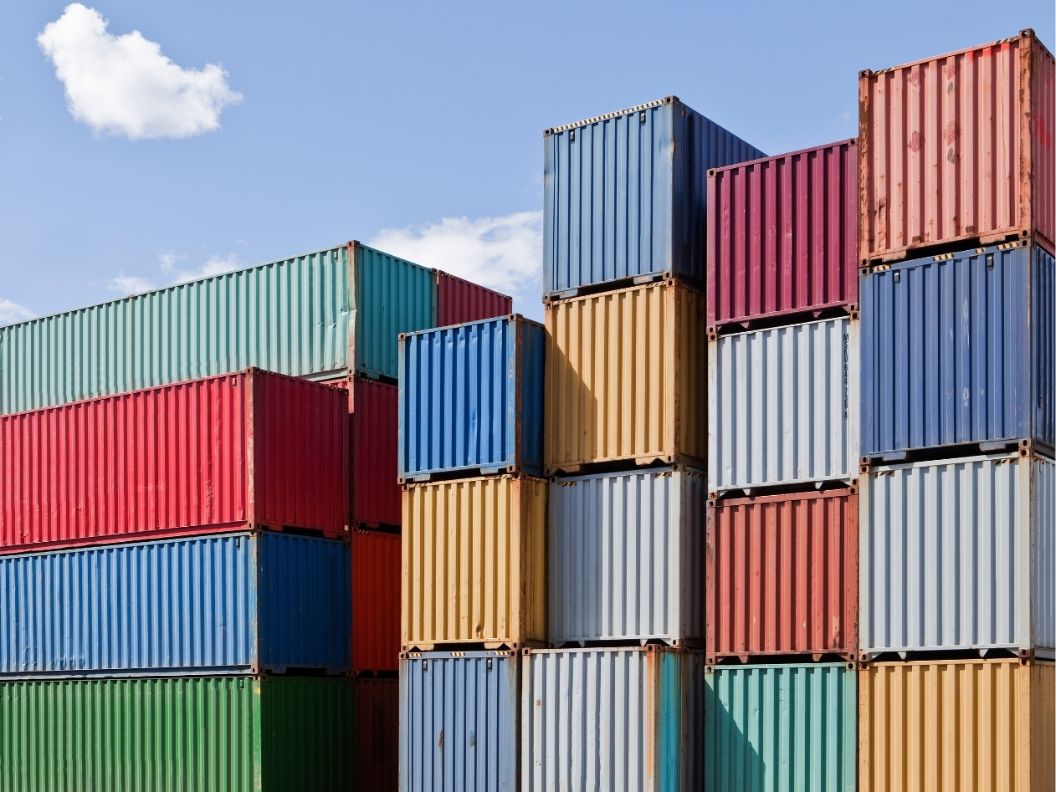
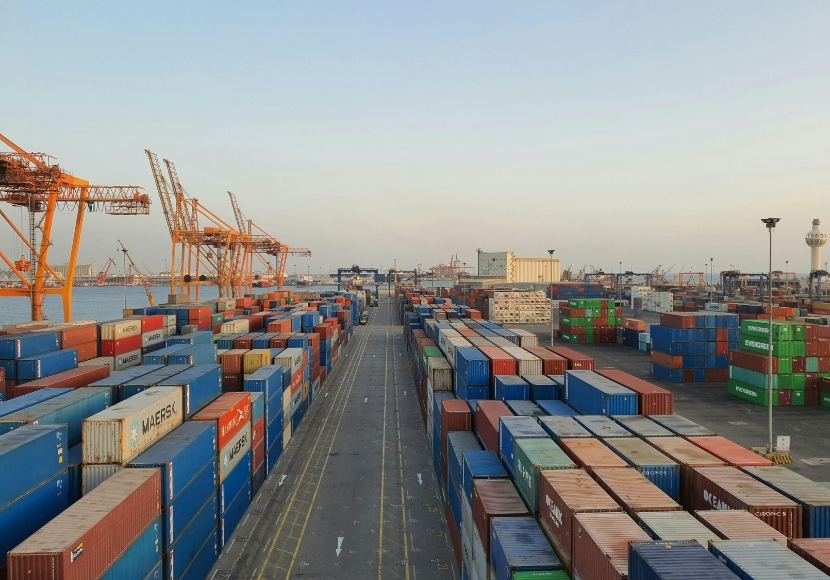
Globalisation means that countries around the world are becoming increasingly connected. People, businesses and countries are exchanging more goods, services, information and ideas than ever before. This means that products can be offered at a lower price and knowledge can be disseminated more quickly. At the same time, new dependencies are emerging, because many things are no longer manufactured within our own country.
Why we care about global developments
As a central bank, we take an interest in globalisation because it has a significant impact on domestic prices and financial stability – precisely the areas for which we are responsible. When countries are more closely linked, prices, supply chains, capital flows and exchange rates change much faster. In the interest of price stability, we therefore closely monitor global developments and provide analyses on these developments, providing policymakers with a basis for well-informed decisions.
Research focus: globalisation and fragmentation
We analyse how the global economic order is changing – through globalisation or deglobalisation, far-reaching economic upheavals and fragmentation (i.e. the division of the world into regions characterised by economic and social inequality). Our aim is to present complex global economic developments in a way that is easy to understand, data-driven and relevant to decision-making.
Using a data-driven approach, we analyse international trade, capital flows and migration. We work with a comprehensive database and publish our analyses on an interactive dashboard to provide transparency on economic trends. Our analyses help decision-makers, institutions and the public to better assess risks, strengthen resilience and shape the global economic policy debate on the basis of facts.